N1 · Non-Functional Requirements
Scalability
Build Systems That Grow with Demand
Overview
Your user base is growing. Traffic is unpredictable. Markets are expanding. Scalability is how your system handles growth without falling over.
When to use
- Rapid user growth expected
- Unpredictable traffic patterns
- Launching in new markets
- Seasonal spikes anticipated
Quick assessment
- Can your system handle 10x current load?
- Do bottlenecks appear at specific growth points?
- Are you scaling horizontally or vertically?
- Can you add capacity without downtime?
In practice
How it works
Make it work
Define a growth scenario and load-test it. Track saturation and queue age, then scale the measured constraint and test again.
The trade-off
More capacity brings monitoring and operating cost. Scaling compute may leave data limits unchanged.
What fails first at ten times the load?
Key patterns
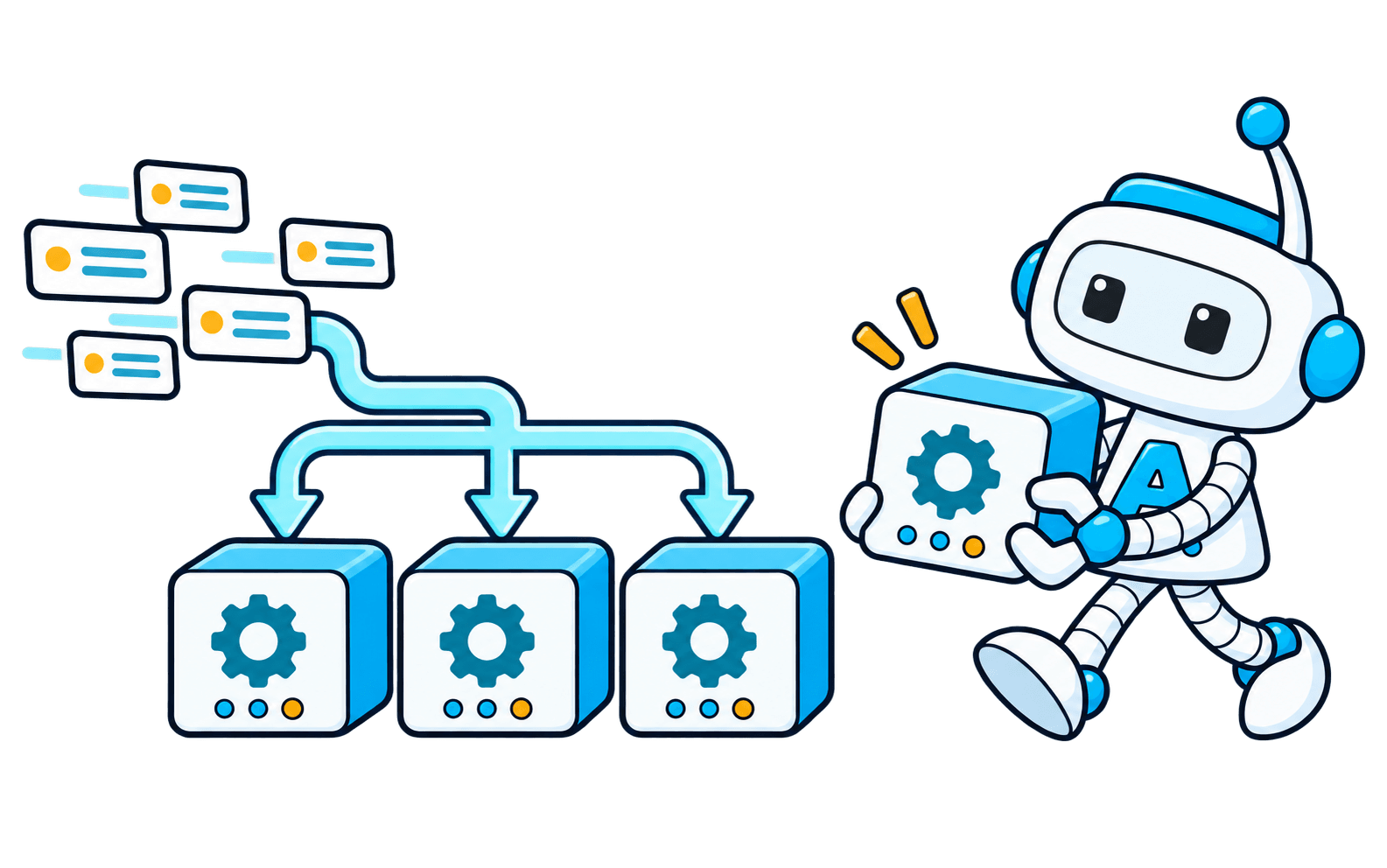
- Horizontal Scaling: Add more machines to distribute load
- Vertical Scaling: Add more power to existing machines
- Database Strategies: Sharding, replication, caching
- Communication: Async messaging, rate limiting
Counter-patterns
- Premature optimization for scale you'll never hit
- Adding complexity without measuring bottlenecks
- Scaling everything when only parts need it
- Ignoring data scalability while scaling compute
Reality check
Scalability adds operational complexity. Each horizontally scaled component needs monitoring, deployment automation, and failure handling. Start simple, scale what actually needs it.