N2 · Non-Functional Requirements
Reliability
Consistently Meet User Expectations
Overview
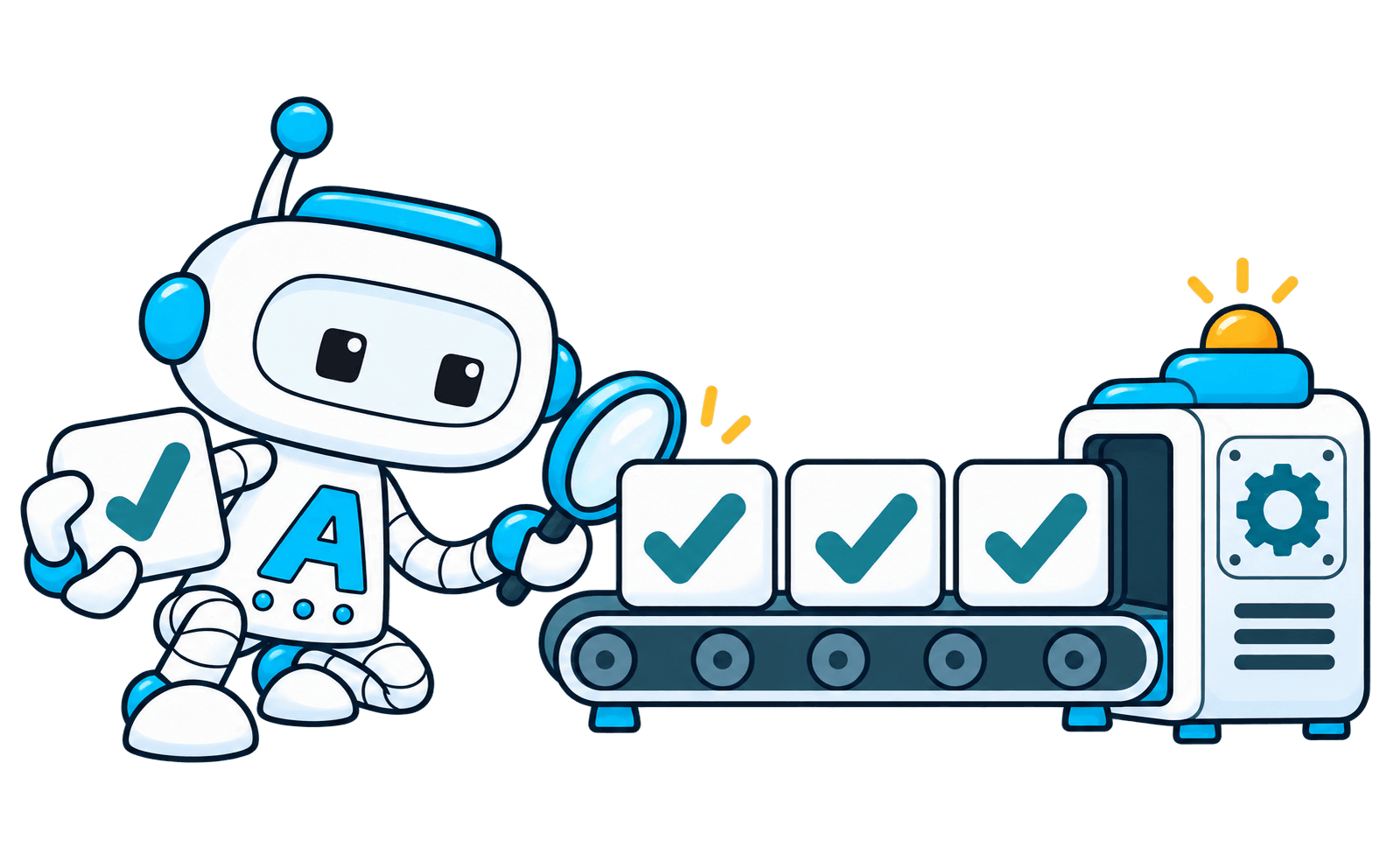
When your system fails, trust erodes. Reliability means consistently delivering correct results, handling failures gracefully, and meeting user expectations under all conditions.
When to use
- System failures directly impact revenue
- User trust is critical
- Handling sensitive operations
- Recovery is expensive
Quick assessment
- What's your mean time between failures (MTBF)?
- How quickly can you recover (MTTR)?
- Do failures cascade through your system?
- Can you detect issues before users do?
In practice
How it works
Make it work
Define acceptable failure and recovery targets. Test fault scenarios, restore procedures, and the correctness of recovered business state.
The trade-off
Higher reliability costs effort and capacity. Set a target instead of chasing perfect operation.
Can we detect and recover before users suffer?
Key patterns
- Redundancy: Eliminate single points of failure
- Graceful Degradation: Partial function beats total failure
- Chaos Engineering: Test failure scenarios proactively
- Observability: Know what's happening inside
Counter-patterns
- Assuming happy path always works
- Hiding errors instead of handling them
- Single points of failure in critical paths
- No retry strategies
Reality check
Perfect reliability is impossible and infinitely expensive. Define acceptable failure rates, invest appropriately, and be transparent when things go wrong.