G1 · Architecture Generations
Pure Handlers
The Foundation of Evolutionary Architecture
Overview
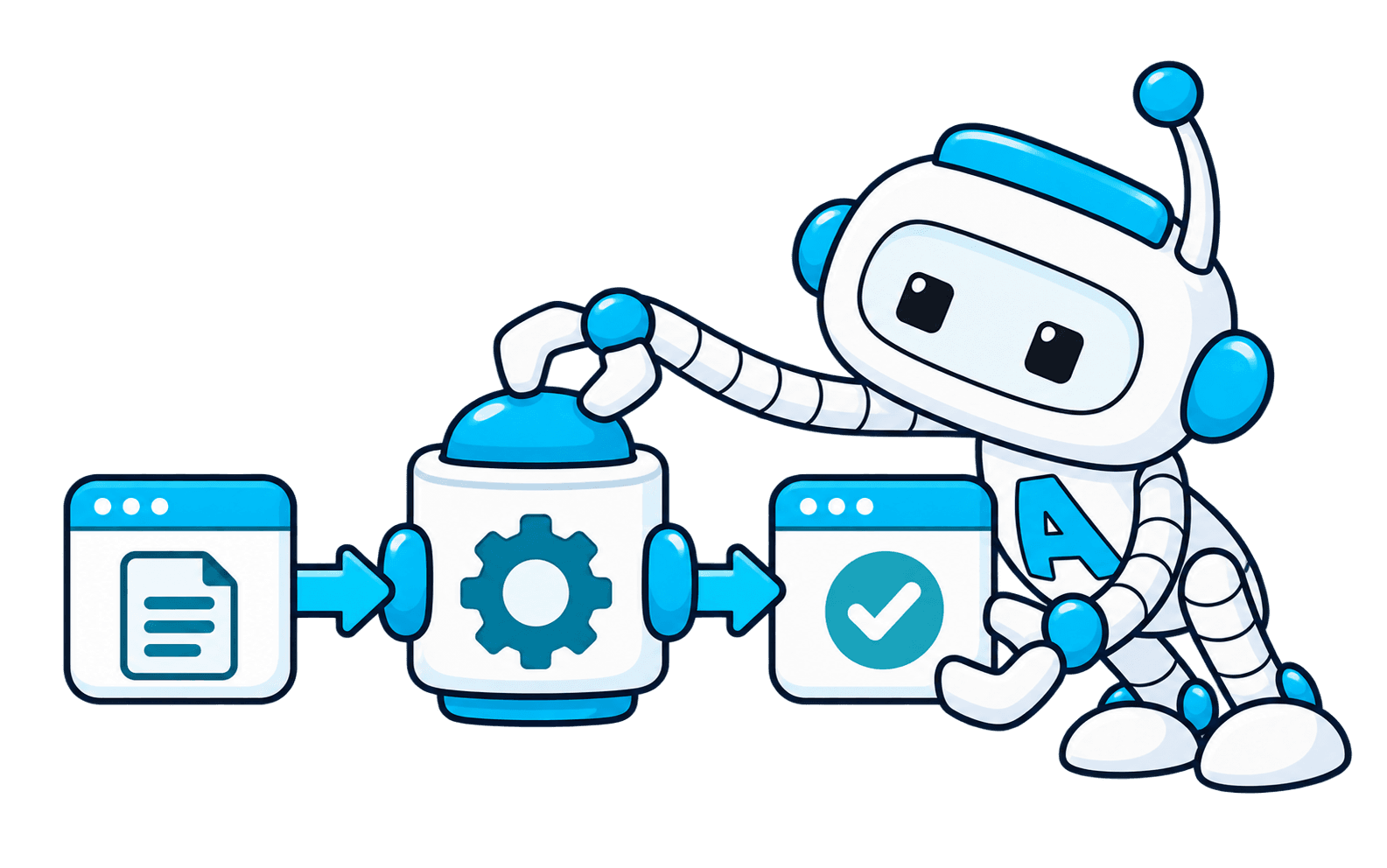
One request, one handler, one job. The purest form of application architecture. Each operation stands alone—self-contained, focused, and independent. Perfect for starting out and staying simple.
When to use
- Simple CRUD operations
- Proof-of-concept implementations
- Very small bounded contexts
- Minimal business rules
- Teams of 1-3 on focused features
Quick assessment
- Is your operation self-contained with minimal business logic?
- Can validation and data access live together without getting messy?
- Are you building a proof-of-concept or MVP?
- Is duplication not yet hurting you?
In practice
How it works
Make it work
Make inputs, outcomes, and ownership explicit. Extract repeated business rules into the domain instead of copying them into handlers.
The trade-off
Copying logic across handlers creates drift. Keep growing business rules in a shared domain boundary.
Where is duplication starting to hurt?
Key patterns
- One handler per operation
- Validation, business logic, persistence in one place
- Direct database access
- No shared abstractions
Counter-patterns
- Forcing handlers when logic is clearly shared
- Copy-pasting entire handlers with minor variations
- Handlers that grow beyond one responsibility
Reality check
Pure handlers are perfect until they're not. Watch for duplication spreading across handlers—that's your signal to group related operations.
NFR profile
- security
- 3/5
- usability
- 4/5
- performance
- 4/5
- reliability
- 3/5
- scalability
- 2/5
- testability
- 3/5
- availability
- 3/5
- extensibility
- 2/5
- maintainability
- 3/5