N3 · Non-Functional Requirements
Availability
Ensuring Your System Is There When Needed
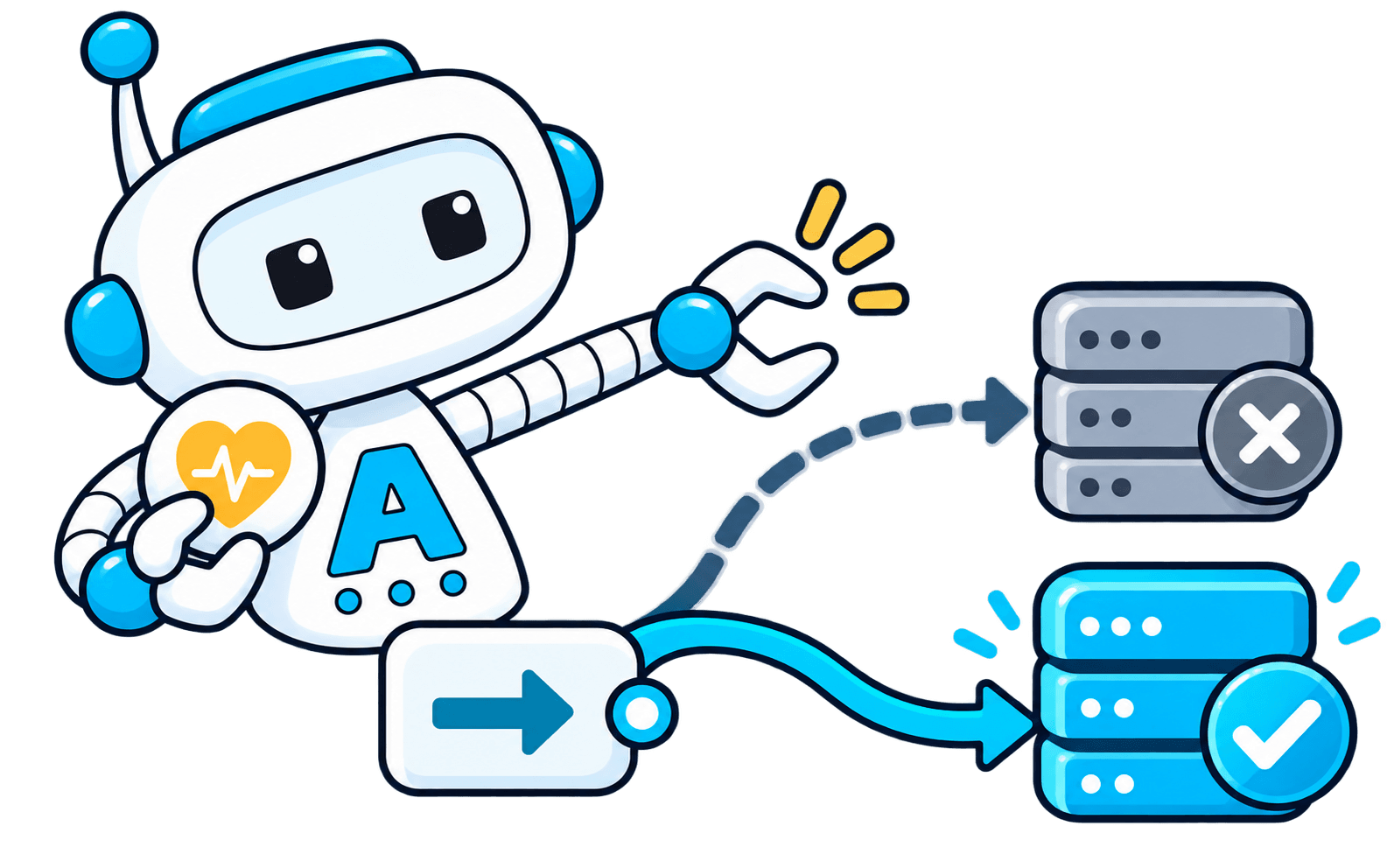
Overview
Users expect your system to work when they need it. Availability is about uptime—being accessible, responsive, and functional when users come calling.
When to use
- 24/7 operation required
- Global user base across time zones
- Downtime has immediate business impact
- SLAs define availability targets
Quick assessment
- What's your current uptime percentage?
- Can you deploy without downtime?
- Do you have redundancy for critical components?
- What's your recovery time after failure?
In practice
How it works
Make it work
Choose a service-level target and measurement window. Exercise failover and recovery, including dependency and deployment failures.
The trade-off
Redundancy adds cost and operational work. Failover needs testing, not just a diagram.
How much downtime can the business accept?
Key patterns
- Redundancy: Multiple instances, regions, providers
- Load Balancing: Distribute traffic across healthy instances
- Health Checks: Detect and route around failures
- Blue-Green Deployment: Zero-downtime releases
Counter-patterns
- Single region deployment
- No health monitoring
- Maintenance windows during peak hours
- Untested failover procedures
Reality check
High availability is expensive. "Five nines" (99.999%) means 5 minutes downtime per year. Calculate the actual cost of downtime before overinvesting in availability.